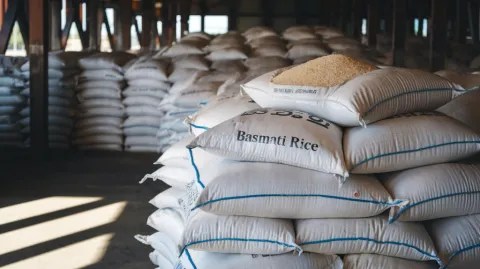
Rice importer in singapore where to buy represents a question that touches upon the fundamental architecture of the island nation’s food security and culinary diversity. Singapore, lacking agricultural hinterland and producing virtually none of its own rice despite the grain’s centrality to local diets, depends entirely upon a sophisticated network of importers who source, transport, and distribute rice from producing nations across Asia and beyond. This dependence, rather than constituting vulnerability, has evolved into a strategic advantage, positioning Singapore as a regional hub for rice trading and distribution. The city-state’s importers maintain relationships with suppliers spanning Thailand, Vietnam, India, Pakistan, Myanmar, Cambodia, and numerous other rice-producing regions, ensuring that both wholesale buyers and retail consumers access an extraordinary variety of grains reflecting the full spectrum of Asian rice cultivation.
The historical development of Singapore’s rice importing industry parallels the nation’s emergence as a trading entrepôt. Colonial-era Singapore served as a transhipment point for rice moving between producing regions and consuming populations throughout Southeast Asia. This intermediary role established commercial networks, market knowledge, and logistical expertise that persisted through independence and subsequent decades of rapid development. Modern Singapore rice importers inherit this legacy, operating with sophistication that belies the apparent simplicity of their function. They navigate international commodity markets, manage currency fluctuations, coordinate shipping logistics, maintain quality standards, and respond to shifting consumer preferences with agility essential in competitive markets.
The Critical Functions of Rice Importing Enterprises
A rice importer in Singapore performs multiple essential roles within the food supply chain:
• Supplier relationship management involves cultivating partnerships with mills and exporters in producing countries, conducting facility audits, and ensuring consistent quality standards. Long-term relationships enable importers to secure preferential pricing and reliable supply during periods of shortage.
• Quality assurance and testing protects consumers and maintains Singapore’s reputation for food safety. Importers conduct laboratory testing for contaminants, verify grain quality parameters, and ensure compliance with Agri-Food and Veterinary Authority standards before rice enters local distribution.
• Logistics and warehousing require substantial infrastructure investment. Temperature-controlled warehouses prevent deterioration in Singapore’s tropical climate, whilst efficient inventory management ensures freshness and minimises waste.
• Market intelligence and demand forecasting allow importers to anticipate shifts in consumer preferences, adjust procurement accordingly, and maintain optimal stock levels across diverse varieties.
• Distribution network coordination connects importers with retailers, food service operators, and institutional buyers, ensuring that rice reaches end consumers through multiple channels efficiently.
Source Countries and Variety Selection
Singapore’s rice importers source from numerous origins, each contributing distinctive varieties. Thai jasmine rice, prized for its fragrance and texture, arrives from mills throughout Thailand’s central plains. Indian basmati, both white and brown, comes from Punjab and Haryana regions. Vietnamese rice, offering excellent value, supplies significant volume to price-conscious consumers. Pakistani varieties serve specific ethnic communities, whilst premium Japanese rice satisfies demand from Japanese restaurants and discerning home cooks. This geographic diversity provides resilience against supply disruptions and accommodates Singapore’s multicultural population.
The importation process involves navigating international trade regulations, phytosanitary requirements, and customs procedures across multiple jurisdictions. As one industry veteran observed, “Singapore’s rice importer in singapore operations demonstrate remarkable efficiency, moving thousands of tonnes monthly whilst maintaining quality standards that protect public health and satisfy sophisticated consumers.” The regulatory framework governing rice imports, whilst stringent, facilitates rather than impedes trade, reflecting Singapore’s pragmatic approach to food security.
Serving Diverse Market Segments
Rice importers in Singapore supply multiple customer categories, each with distinct requirements. Retail chains demand consistent quality, competitive pricing, and reliable delivery schedules. Restaurant and food service operators require specific varieties suited to their cuisine types, often in bulk quantities. Ethnic grocery stores seek specialised varieties serving particular communities. Institutions including schools, hospitals, and military facilities require large volumes meeting strict specifications. This market segmentation necessitates sophisticated inventory management and flexible distribution capabilities.
The wholesale markets where importers traditionally operated have evolved significantly. Whilst some business still transpires through personal relationships and verbal agreements, electronic trading platforms and digital ordering systems increasingly facilitate transactions. Modern rice importers maintain online presences, publish price lists, and offer customers convenient ordering options whilst preserving the personal service that characterises Asian commercial culture.
Quality Standards and Certifications
Singapore’s regulatory environment ensures that imported rice meets rigorous safety and quality standards. The Singapore Food Agency mandates testing for contaminants, proper labelling, and traceability throughout the supply chain. Many importers voluntarily pursue additional certifications including organic, fair trade, or sustainability credentials that appeal to conscious consumers. These certifications, whilst adding complexity and cost, differentiate premium offerings in competitive markets.
Storage and handling practices significantly affect rice quality. Professional importers maintain climate-controlled facilities, implement pest management programmes, and practice first-in-first-out inventory rotation. These measures preserve freshness and prevent the deterioration that compromises both nutritional value and sensory qualities.
Accessing Imported Rice Through Various Channels
Consumers and businesses seeking rice sourced through Singapore’s importing network access products through multiple retail channels. Major supermarket chains stock extensive rice selections, all supplied by established importers. Neighbourhood provision shops carry popular varieties suited to local demographics. Specialty stores offer premium and ethnic-specific options. Online grocers increasingly provide convenient home delivery of rice purchased through digital platforms.
Understanding the infrastructure that provisions Singapore’s tables, the expertise required to navigate international rice markets, and the quality assurance processes protecting consumers reveals the sophisticated operation underlying what appears a simple commodity trade. The city-state’s food security and culinary diversity rest substantially upon the capabilities and reliability of each rice importer in singapore.
 Feasto
Leave a comment